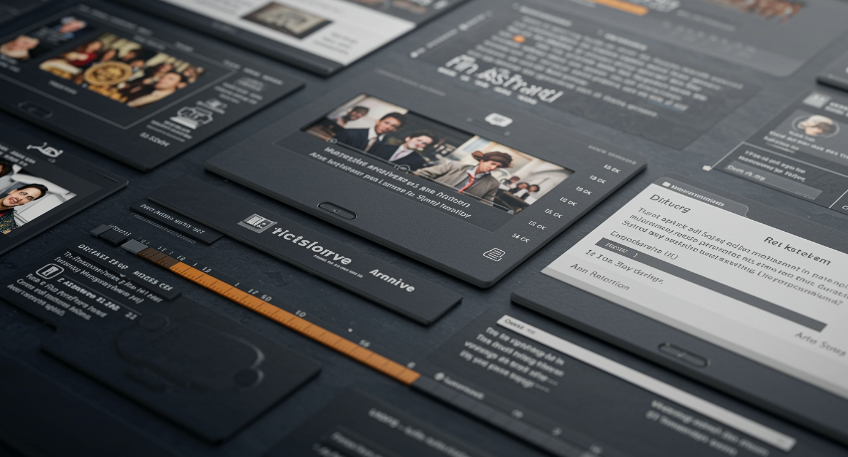
In a groundbreaking move toward transparency and public engagement, the Internet Archive has launched a first-of-its-kind initiative: livestreaming the process of history preservation in real time.
For decades, the nonprofit organization—best known for its iconic Wayback Machine —has worked tirelessly to archive digital snapshots of the web, books, audio recordings, films, software, and more. But now, anyone with an internet connection can watch that process unfold live, offering a fascinating behind-the-scenes glimpse into how digital history is captured and stored.
A Window Into Digital Preservation
The new 24/7 livestream , available directly from the Internet Archive’s website, shows live footage of scanning stations, servers humming through data backups, and volunteers digitizing fragile media. Alongside the video feed, viewers see real-time metadata updates, including timestamps, file sizes, and even occasional commentary from archivists at work.
“This isn’t just about preserving history—it’s about making the act of preservation visible,” said Brewster Kahle, founder of the Internet Archive. “We want people to understand what it takes to save our shared cultural memory before it disappears.”
Why This Matters
With the internet’s ever-changing landscape, much of today’s digital content could vanish tomorrow. News articles get edited or deleted, websites shut down, and social media posts disappear. The Internet Archive’s mission has always been to serve as a safeguard against this digital amnesia—but now, they’re inviting the world to witness the effort firsthand.
The livestream includes:
- Live book and document scanning from physical collections.
- Web crawling operations showing URLs being archived.
- Audio and video digitization , including rare and historical media.
- Server monitoring dashboards , visualizing the scale of storage and retrieval operations.
Educational Tool and Public Resource
Beyond serving as a fascinating view into archival science, the livestream has quickly become a popular tool among educators, students, and historians. Some schools are incorporating the feed into lessons on media literacy, digital ethics, and information science.
“It’s like watching a library being built in real time,” said Dr. Melissa Chen, a digital historian at Stanford University. “It makes you appreciate how much work goes into saving knowledge that we often take for granted.”
Challenges and Ethical Considerations
While the project has been widely praised, it also raises questions around privacy, copyright, and the limits of digital preservation. Not everything online should be archived, critics argue, especially private or sensitive content. The Internet Archive has long maintained opt-out policies for website owners, but the livestream adds a new layer of visibility to these ongoing debates.
Still, the team remains committed to balancing ethical concerns with their broader mission.
“We’re not just collecting data—we’re curating memory,” said Alexis Rossi, Director of Media and Access at the Internet Archive. “This stream helps show that distinction.”
How You Can Watch (and Participate)
The livestream is freely accessible to the public and hosted on the Internet Archive’s website. Viewers can also join scheduled Q&A sessions with archivists or submit requests for specific types of content they’d like to see preserved.
Volunteers are also encouraged to get involved in digitization efforts, both remotely and in-person at select locations.
Final Thoughts
As digital culture becomes increasingly ephemeral, initiatives like this livestream remind us that history doesn’t preserve itself—it requires deliberate action, technology, and human care. With this bold step, the Internet Archive is not only saving the past but redefining how we engage with it in the present.
Would you like me to tailor this article for a specific audience, such as a general readership, academic journal, or tech news site?
 Tech News FYP
Leave a comment