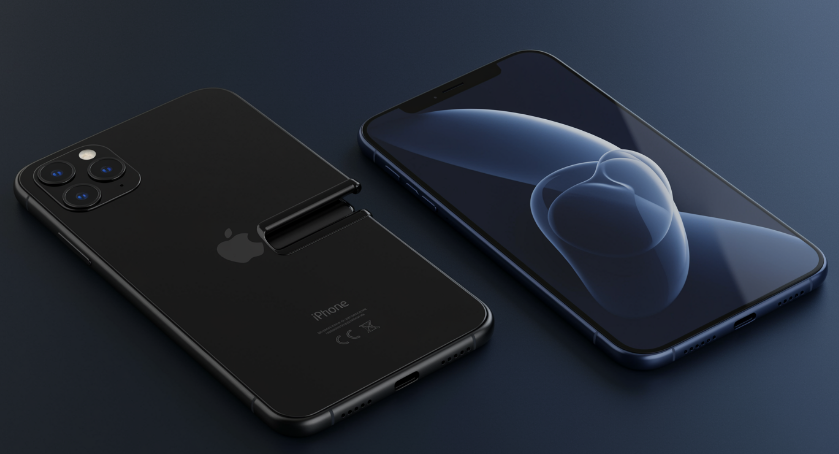
As Apple looks toward the future of mobile innovation, all eyes are on what the company has planned for its iconic iPhone lineup in 2027. With the smartphone market evolving rapidly, Apple faces a critical decision: will it finally enter the foldable phone race, or will it double down on a more premium, minimalist approach with an ultra-sleek glass and curved design?
The Foldable iPhone Rumors
For years, rumors have swirled around Apple developing a foldable device. As competitors like Samsung, Huawei, and Google continue to refine their foldable offerings, the pressure is mounting for Apple to respond.
Potential Features of a Foldable iPhone:
- Hybrid Form Factor: A foldable iPhone could come in two variations — a vertically folding clamshell design (similar to the Galaxy Z Flip) or a horizontally folding tablet-style device (like the Galaxy Z Fold).
- iOS Optimization: Apple would likely redesign iOS with multi-windowing, split-screen apps, and continuity features tailored specifically for a foldable form factor.
- New App Ecosystem: Developers may be encouraged to build adaptive apps that scale seamlessly between folded and unfolded states.
- Material Innovation: Apple might use its own custom flexible display technology, possibly developed in partnership with suppliers like LG Display or Samsung.
- Premium Pricing: Like most Apple products, a foldable iPhone would likely carry a high-end price tag, potentially starting at $1,800 or more.
However, Apple has historically been cautious about adopting new form factors until they’re perfected. Internal sources suggest that while prototypes exist, concerns remain around durability, battery life, and software readiness.
The Glass and Curved iPhone Alternative
Alternatively, Apple might bypass the foldable trend entirely and instead focus on pushing the limits of traditional smartphones with a stunning glass-and-curved-edge design.
This approach would align with Apple’s history of refining existing technologies rather than chasing trends. Imagine an iPhone with:
- Edge-to-Edge Curved Glass: Inspired by devices like the Samsung Galaxy S series and Xiaomi’s concept phones, Apple could introduce a dramatically curved front and back panel.
- Zero-Bezel Display: Utilizing under-display camera and sensor tech, Apple could deliver a truly full-screen experience without notch or punch-hole interruptions.
- All-Glass Body: A return to the iPhone 4-era aesthetic but enhanced with modern materials like sapphire-infused glass and aerospace-grade aluminum.
- Advanced Haptics & Flex Interaction: Using subtle screen flex as a new input method — for example, bending the edges slightly to trigger shortcuts or activate widgets.
- Sustainability Focus: With increased recyclability and biodegradable components, Apple could position this design as both futuristic and eco-conscious.
What Apple Is Likely Considering
Internally, Apple is known for exploring multiple paths before settling on a final product. In 2027, the company may choose one of the following strategies:
Scenario 1: Launch a Foldable iPhone
- Timing: If foldables become mainstream and durable enough by 2027, Apple may finally launch its version.
- Target Market: Power users, creatives, and multitaskers who value larger screens and portability.
- Ecosystem Expansion: A foldable iPhone could bridge the gap between iPhones and iPads, creating a new category within Apple’s ecosystem.
Scenario 2: Introduce a High-End Curved iPhone
- Timing: If foldables still face technical hurdles, Apple could double down on perfecting the traditional smartphone.
- Target Market: Design-focused consumers and loyal Apple fans who prioritize aesthetics and usability.
- Brand Positioning: Reinforce Apple’s reputation for elegance, simplicity, and engineering excellence.
Scenario 3: Do Both
- Diversified Lineup: Apple could release both a curved flagship iPhone and a foldable variant in the same year, targeting different user segments.
- Strategic Testing: This would allow Apple to test the market and iterate based on consumer feedback.
Challenges Ahead
Regardless of the direction Apple chooses, several challenges lie ahead:
- Battery Life: Larger displays and flexible components require efficient power management.
- Durability: Especially for foldables, ensuring long-term reliability remains a key concern.
- Software Integration: iOS must evolve to support new interaction models seamlessly.
- Supply Chain Constraints: Developing proprietary components at scale is no small feat.
 Tech News FYP
Leave a comment