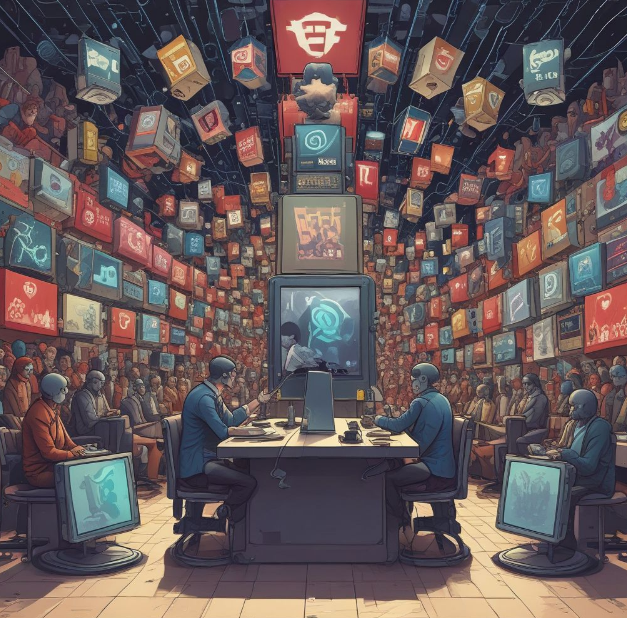
Understanding Decentralized Social Media
Decentralized social media refers to platforms that operate without a central authority, allowing users to have more control over their data and interactions. This model contrasts with traditional social media networks dominated by a few large corporations.
Key Features of Decentralized Social Media
- User Ownership: Users retain control over their data and can choose how and where it is shared.
- Censorship Resistance: With no central authority, it is harder to censor content, promoting free speech.
- Interoperability: Different platforms can connect, allowing users to interact across various services seamlessly.
- Transparency: Open-source technologies enhance transparency, enabling users to see how algorithms work and how data is managed.
The Tech Oligarchy
The term “tech oligarchy” refers to the concentration of power among a few large technology companies that dominate the digital landscape. This concentration has raised concerns regarding privacy, data security, and the influence these companies wield over public discourse.
Issues with the Tech Oligarchy - Data Privacy Concerns: Centralized platforms often collect and monetize user data without adequate transparency.
- Content Moderation: Large companies make decisions about what content is allowed, which can lead to biased censorship.
- Monopolistic Practices: A few companies controlling significant market share can stifle competition and innovation.
- Echo Chambers: Algorithms may prioritize certain viewpoints, creating polarized environments and limiting exposure to diverse perspectives.
The Advantages of Decentralized Social Media
Embracing decentralized social media can provide several benefits: - Empowerment of Users: Users can shape the platform’s rules and policies.
- Diverse Perspectives: A range of voices can be heard, fostering a more inclusive environment.
- Reduced Risk of Manipulation: Without a single authority, the risk of manipulation for profit or political gain is lowered.
- Enhanced Privacy: Users can choose how their information is used, reducing the risk of data exploitation.
Conclusion
Decentralized social media offers a promising alternative to the tech oligarchy, prioritizing user autonomy, privacy, and diverse expression. As awareness of these issues grows, more individuals may seek out decentralized platforms for a more equitable digital experience.
 Tech News FYP
Leave a comment